Warm Up: The Complete Guide to Gas Fireplace Installation
Gas fireplaces offer a perfect balance of coziness and performance, transforming living spaces into inviting retreats. This guide outlines the key steps involved in choosing and setting up a gas fireplace, providing both secure operation and practical functionality. From exploring the key benefits to planning the installation process, every detail plays an important role. As homeowners consider these elements, questions may arise regarding the unique advantages and available design choices. The journey to a cozier home begins with informed decisions.
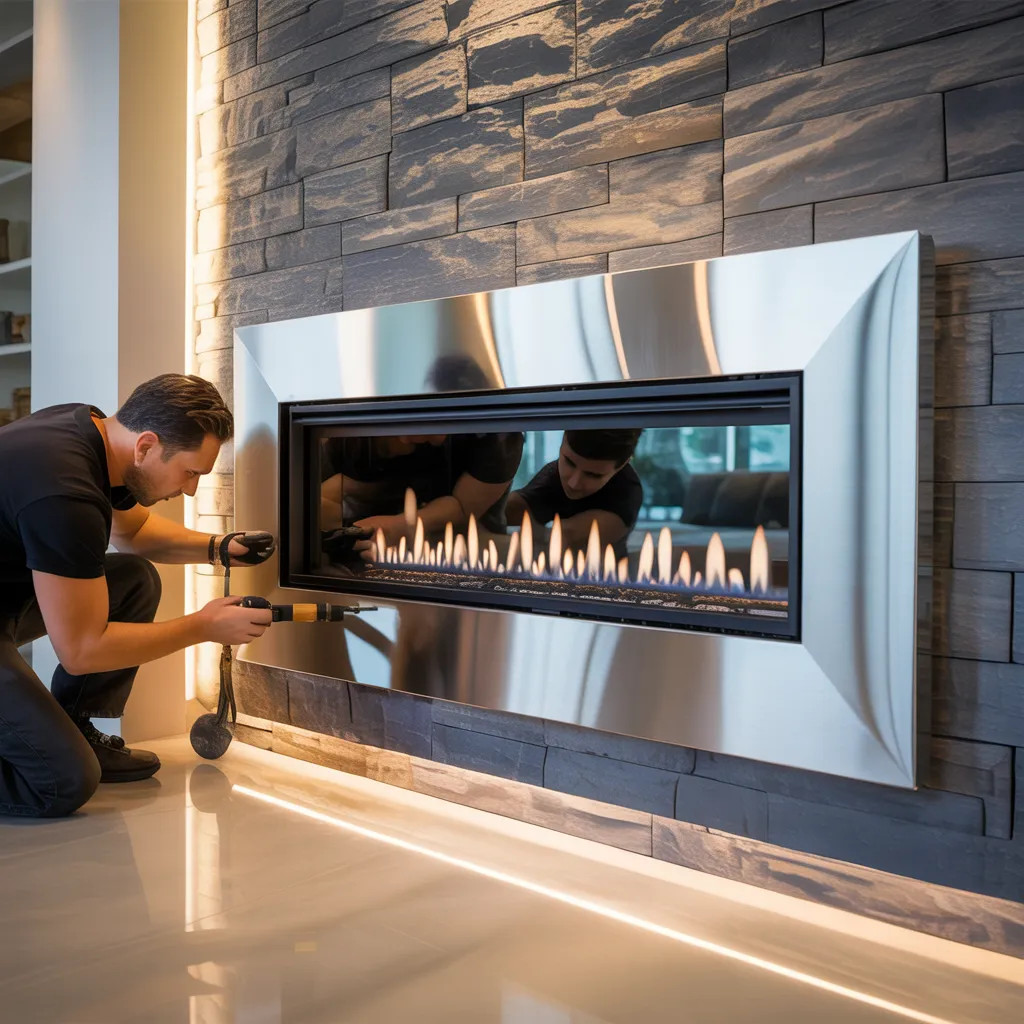
Why You'll Love Having a Gas Fireplace
A gas fireplace transforms a living space into a warm sanctuary, offering comfort and charm with the simple flick of a switch. In contrast to conventional wood-burning fireplaces, gas fireplaces pertinent information deliver the convenience of instant heat, eliminating the need for gathering wood or cleaning up ashes. Their design enables reliable heat management, making them a perfect option for year-round use.
Moreover, gas fireplaces can be found in a wide range of designs and styles, naturally harmonizing with various interior design themes. Gas fireplaces require less maintenance than conventional wood-burning alternatives, as they emit lower levels of emissions and eliminate the need for frequent chimney upkeep. This environmentally conscious feature resonates with eco-minded homeowners.
In addition, the protective elements of contemporary gas fireplaces, including self-closing valves and tempered glass panels, provide peace of mind. All things considered, a contemporary gas fireplace not only improves the visual appeal of a home but also provides a cozy and inviting environment for loved ones and guests alike.
Choosing the Best Gas Fireplace for Your Home
Selecting the best gas fireplace requires examining various factors to confirm it meets both aesthetic and functional needs. Homeowners should first evaluate the dimensions of the room, as the dimensions and heat output of the fireplace must match the space's needs. Design choices, such as conventional versus modern designs, play a crucial role in guaranteeing the fireplace suits the existing aesthetic.
Fuel type represents another critical aspect to evaluate; natural gas and propane each provide distinct installation and performance qualities. In addition, venting options—direct vent, vent-free, or B-vent—impact airflow and safety.
Efficiency ratings should not be overlooked; units with greater efficiency ratings can help minimize energy expenses. Furthermore, assessing the manufacturer's standing and warranty coverage can offer reassurance about the fireplace's durability and support. By carefully weighing these factors, homeowners can select a gas fireplace that improves both the coziness and atmosphere of their home.
Key Installation Factors for Gas Fireplaces
When installing a gas fireplace, the location must be carefully considered for optimal performance and safety. Moreover, understanding venting requirements is fundamental to ensure adequate airflow and regulatory compliance. These elements have a major impact on the complete performance and functionality of the gas fireplace.
Factors for Selecting a Location
Selecting the correct spot for a gas-powered fireplace is essential for enhancing its performance and safety. Elements such as existing structures, room size, and layout greatly affect this determination. For best results, the fireplace should be situated in a central location to ensure even distribution of heat throughout the room. Proximity to gas lines is also important, ensuring an seamless installation process. Additionally, accounting for adequate clearance from flammable materials and compliance with local building codes is necessary for safe operation. Existing vents and natural light sources should be factored in to enhance both aesthetics and functionality. All things considered, a well-planned location boosts the performance of the fireplace while complementing the room's comfort and aesthetic appeal.
Overview of Venting Requirements
Adequate venting is an essential component of gas fireplace installation that greatly impacts safety and efficiency. There are two key venting configurations: direct vent and vent-free. Direct vent units employ a double-walled pipe that vents gases outdoors while pulling in clean air, guaranteeing efficient combustion. This system is often preferred for its safety and efficiency. Vent-free models, on the other hand, require no external venting and can be highly adaptable during installation, but they may create indoor air quality challenges due to the emission of combustion byproducts. It is critical for homeowners to check local building codes and regulations pertaining to venting specifications, as these can change substantially and may outline the safest and most reliable installation procedures.
Preparing Your Space for Installation
Preparing the space for installing a gas fireplace is a significant step that secures optimal safety and performance. Initially, the zone should be free from any flammable materials, furniture, or decorations, allowing ample room for the installation process. This not only secures safety but also provides easy access for the installer. Next, inspecting the current structure is important; ceilings, walls, and floors should be examined for any required reinforcements or modifications to accommodate the weight and heat output of the fireplace.
Furthermore, verifying sufficient ventilation is crucial. Homeowners should pinpoint potential locations for venting and examine any obstructions in the designated pathways. As a final step, reviewing local building codes and regulations can prevent future issues. By carefully setting up the space, property owners can build a conducive environment for a effective gas fireplace setup, improving both safety and efficiency.
How to Put In Your New Gas Fireplace?
Fitting a new gas fireplace requires several essential steps to guarantee proper operation and security. First, the installer must identify an suitable location, ensuring adequate clearance from combustible materials. Following this, the gas line should be attached, generally necessitating the use of a qualified professional to comply with local regulations. The fireplace unit is then positioned in the designated area, verifying it is balanced and firmly set.
Proper ventilation is essential; the installer is required to set up the venting system in accordance with the manufacturer's instructions to ensure proper exhaust. Following this step, the fireplace's front and any decorative components are attached. When the fireplace unit is fully installed, it is essential to inspect every connection for potential gas leaks with the use of a soap solution. As a final step, the fireplace should be carefully inspected to confirm that it operates correctly before being used. A correct installation improves not only the fireplace's performance but also the general safety of the household.
Essential Safety Precautions During Installation
Although gas fireplaces offer coziness and aesthetic appeal, taking safety steps during installation is critical to avoid potential dangers. Adequate ventilation is crucial; technicians must confirm that flue and ventilation systems are properly positioned to avoid carbon monoxide buildup. Before beginning, reviewing local building regulations and securing required permits can reduce the likelihood of regulatory problems.
Gas lines should be checked for leaks with a soap solution, and all connections must be firmly secured. It is equally important to utilize suitable materials, such as heat-resistant enclosures, to reduce the risk of fire. An electric shut-off valve must be fitted for emergencies, permitting swift gas cutoff.
Lastly, it is strongly suggested to have a qualified technician perform the installation, making certain that all safety standards are met. Adhering to these guidelines not only enhances safety but also facilitates superior functioning of the gas-powered fireplace, granting homeowners a sense of security and comfort.
Tips for Keeping Your Gas Fireplace in Top Condition
Upkeeping a gas fireplace demands periodic care to ensure peak performance and safety. A key measure is to arrange yearly inspections by a licensed specialist. This guarantees that all parts, including the ignition system and gas lines, work as intended. Routine cleaning is equally important; buildup can block airflow and reduce efficiency. Residents should regularly clean the glass panels, logs, and burners to avoid soot accumulation.
Examining the ventilation system is an equally important step. It needs to be kept unobstructed to allow proper exhaust. In addition, homeowners should inspect for gas leaks by dabbing soapy water onto the joints; the presence of bubbles signals a leak. When the appliance is running, watching the color of the flame can offer valuable performance information; a steady blue flame indicates ideal combustion.
Ultimately, keeping a sufficient supply of natural gas or propane will ensure the fireplace operates smoothly. By adhering to these guidelines, homeowners can benefit from a efficient and dependable gas fireplace for many years ahead.
Common Questions and Answers
Can a Gas Fireplace Be Installed in an Existing Wood-Burning Fireplace?
Yes, a gas burning fireplace can be fitted in an pre-existing wood-burning fireplace. However, it calls for proper inspections of the framework, airflow, and protective measures to secure compliance with local codes and optimal operation.
What Is the Average Cost of Gas Fireplace Installation?
The standard cost for gas fireplace installation usually falls from $2,500 to $5,000, based on factors including geographic location, the specific unit type, and essential modifications to existing structures or ventilation systems.
How Regularly Should My Gas Fireplace Be Serviced?
A gas fireplace ought to be serviced every year to ensure safe and optimal functionality. Regular maintenance checks help identify potential issues, enhance performance, and extend the lifespan of the unit, assuring a warm, cozy environment.
How Environmentally Friendly Are Gas Fireplaces?
Gas fireplaces are widely regarded as better for the environment than conventional wood-burning alternatives, as they generate fewer emissions and harmful pollutants. However, their overall impact depends on the energy source used for gas and local regulations.
Can I Use a Gas Fireplace During a Power Outage?
Indeed, a gas fireplace can operate during a power outage, provided it has a standing pilot light. That said, models with electronic ignition may not function without electricity, so confirming the exact type of fireplace is necessary.